The aim of SDG 9
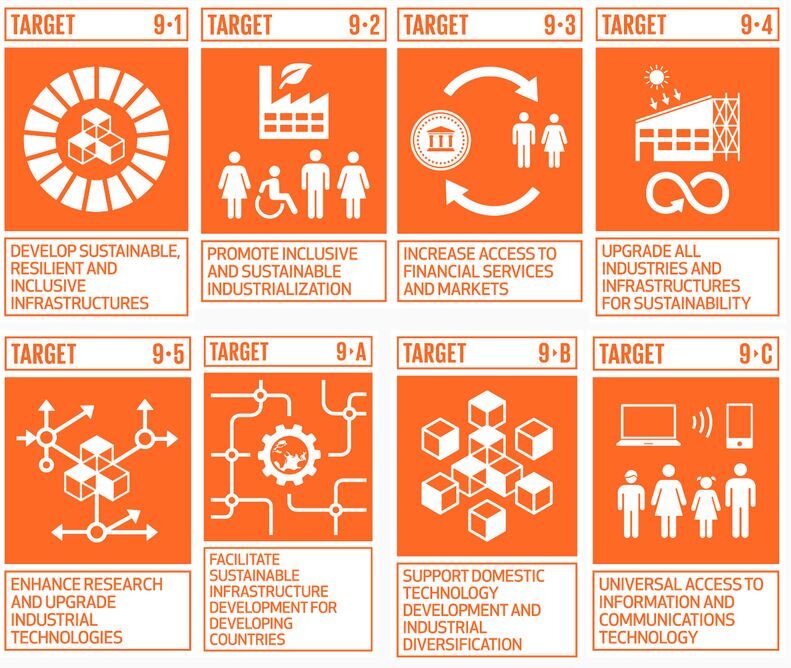
The aim of SDG 9 Industry, Innovation and Infrastructure is to build resilient infrastructure and foster innovation that supports sustainable development. It emphasizes digital connectivity, sustainable manufacturing, and research-driven progress.
Further resources
The website of the United Nations gives more insights into this SDG, its targets and indicators as well as its worlwide progress.
The website of the Global Goals also gives more information on the single targets, but also on possible actions, and further resources.
The world-wide network of Impact Hubs connects entrepreneurs and innovators to large orgnisations, partners, investors, and the public sector to build a more inclusive and sustainable society.
Connection to tourism
Tourism drives demand for resilient transport, digital services, and high-quality infrastructure. It fosters innovation in service delivery, logistics, and experiences (e.g., smart tourism, contactless services). Upgraded infrastructure improves accessibility and visitor satisfaction while benefiting residents. Collaboration across sectors accelerates responsible, scalable solutions.
Best practices
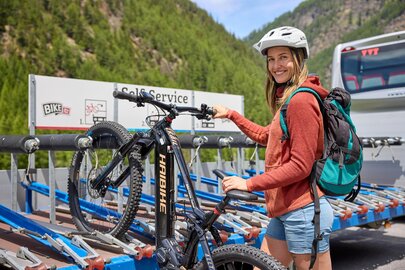
The free bike bus in Ötztal fosters innovation, accessibility and infrastructure development by providing specialized bike trailers on 15 designated stops along the valley-wide bus line network (from Imst/Haiming to Obergurgl), enabling seamless multimodal transport that integrates public buses with mountain bike trails and lifts. This resilient infrastructure reduces private car dependency, accommodates up to 40 bikes per trailer (including e-bikes), and enhances accessibility for tourists via the Summer Card, fostering innovative low-emission mobility that supports Ötztal's Bike Republic economy. By streamlining logistics for 30+ trails and events, it promotes inclusive industrialization through scalable, sustainable transport solutions that boost regional tourism competitiveness without expanding roads.
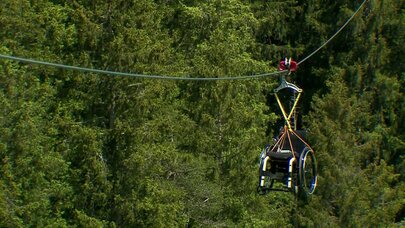
Burg Ehrenberg offers pioneering barrier-free inclined elevators—the Ehrenberg Liner and Top Liner—which provide universal access to the castle ruins, Fort Claudia, and Schlosskopf Fortress for visitors with mobility impairments, transforming a historically inaccessible site into an inclusive cultural infrastructure. The site's innovative Highline179 suspension bridge (406m long, Europe's longest pedestrian bridge) and Dragon Fly zipline demonstrate resilient engineering that integrates inclusive tourism with heritage preservation, attracting 140,000 annual visitors while creating 16 new jobs through EU-funded restoration. The zipline is Europe's first barrier-free example and also the highline is accessible These developments, supported by Interreg cross-border cooperation, upgrade regional transport and event infrastructure, promoting technological innovation and sustainable industrialization in Tyrol's Reutte Nature Park.
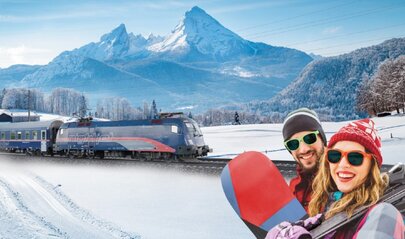
The combi tickets for ÖBB Nightjet trains and ski passes create seamless, resilient multimodal transport systems that integrate overnight rail travel from major European cities (e.g., Amsterdam, Hamburg, Düsseldorf) directly with Tyrolean ski areas like Stubaier Gletscher, SkiWelt Wilder Kaiser-Brixental, and Arlberg, reducing road congestion and fostering innovative ticketing platforms. These packages bundle emission-free Nightjet journeys, multi-day ski passes (3-6 days), and transfers to hotels or lifts, leveraging digital booking via ÖBB Rail Tours to upgrade tourism infrastructure and promote scalable, low-carbon access for international guests. By prioritizing rail over flights or cars through discounted pricing and real-time coordination, they enhance regional competitiveness, create maintenance jobs for sustainable transport networks, and model inclusive industrialization for alpine destinations handling millions of winter visitors.