
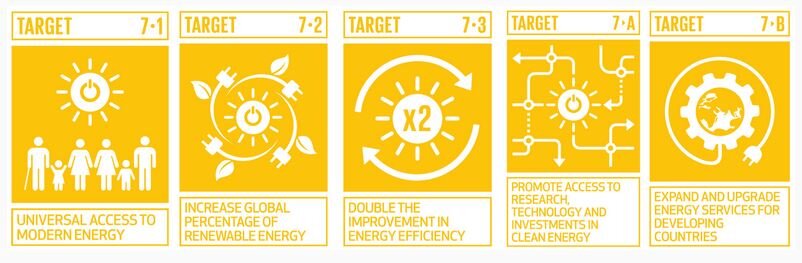
The aim of SDG 7
The aim of SDG 7 Affordable and Clean Energy is to ensure access to affordable, reliable, sustainable, and modern energy for all, expanding clean energy sources. It aims to reduce carbon emissions and ensure energy security for households and businesses.
Further resources
The website of the United Nations gives more insights into this SDG, its targets and indicators as well as its worlwide progress.
The website of the Global Goals also gives more information on the single targets, but also on possible actions, and further resources.
Our World in Data provides statistics on how energy is produced and used word-wide.
Connection to tourism
Tourism can accelerate adoption of renewable energy, energy efficiency, and clean technology in destinations, including remote areas. Electrification, smart grids, and sustainable transport reduce emissions from travel-related activities. Green building standards and energy management in hotels contribute to broader decarbonization. Access to reliable clean energy benefits both workers and visitors.
Best practices
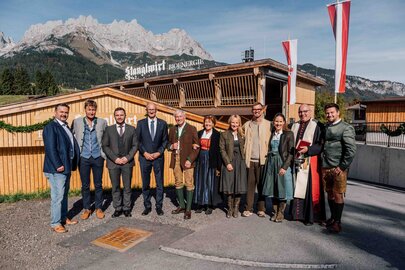
The Hotel Stanglwirt's new BIO-Energy power plant, the world's first wood gasification facility of its kind in a hotel, supports the aim of affordable and clean energy by generating up to 550 kW of electricity and heat from regional, PEFC-certified wood chips and damaged timber in a closed-loop combined heat and power system that covers most of the hotel's energy needs while minimizing emissions. This innovative SynCraft technology converts wood into gas for an Innio Jenbacher engine, with waste heat reused for hotel operations and fuel drying, achieving climate-positive status by sequestering 20% of the wood's CO₂ as stable biochar for long-term carbon storage. By replacing fossil fuel imports with locally sourced renewables and offering guest tours of the plant, Stanglwirt demonstrates scalable access to modern, sustainable energy, fostering energy independence and inspiring the hospitality sector toward renewable innovation.
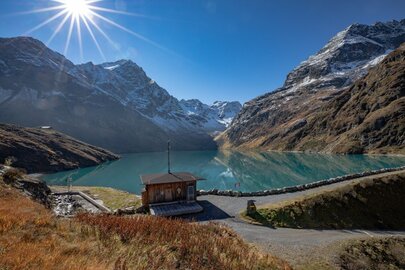
St. Anton am Arlberg supports SDG 7 through its energy self-sufficiency achieved since 2006 via local hydropower plants like Kartell, Moosbach, and Rosanna, which generate around 52 GWh annually from the Kartellsee reservoir—storing summer water for winter use and powering the entire municipality, including tourism infrastructure, with 100% renewable electricity. A community biomass heating plant using regional wood chips supplies heat to up to 80 properties, saving 1.5 million liters of oil yearly and cutting CO₂ emissions by 4,580 tons, while promoting green mobility with free public transport, e-car charging stations powered by hydropower, and chemical-free snowmaking that recycles meltwater back into energy production. These initiatives, part of the KLAR! climate adaptation program since 2021, ensure reliable access to modern renewables for residents and 1 million annual guests, demonstrating scalable energy independence in a high-tourism alpine region.
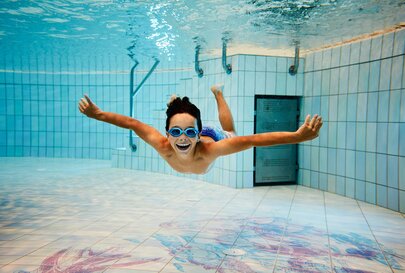
Hotel Der Stern has developed its pioneering Sterntaucher eco-indoor swimming pool, Austria's first sustainable indoor pool built underground to minimize land use and energy loss. The pool achieves 25% energy self-sufficiency via solar panels and runs on 100% regional renewable energy sources, with overhauled technology—including efficient heating, natural filtration, and reduced chlorine use—that lowers the hotel's overall electricity consumption despite adding this amenity. Constructed with natural and recycled materials, transparent water management, and pre-swim shower protocols, this concept demonstrates scalable clean energy innovation for family hotels, covering operations without fossil fuels while delighting guests with slides, waterfalls, and bubble benches.