
The aim of SDG 5
The aim of SDG 5 Gender Equality is to achieve gender equality and empower all women and girls, ending discrimination and violence. It calls for equal opportunities, representation in decision-making, and protections against gender-based harm.
Further resources
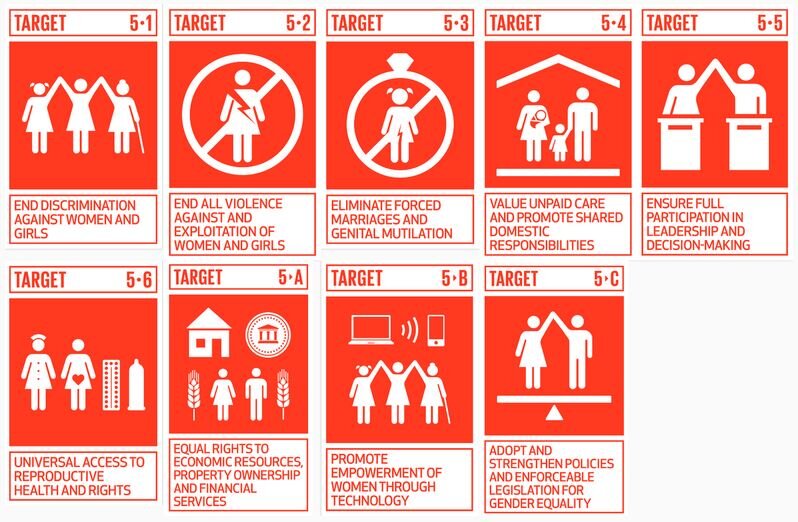
The website of the United Nations gives more insights into this SDG, its targets and indicators as well as its worlwide progress.
The website of the Global Goals also gives more information on the single targets, but also on possible actions, and further resources.
UN Women is the United Nations entity dedicated to achieving gender equality and empowering women and girls worldwide, including eliminating discrimination and violence against them. It supports governments in developing and implementing gender-equality laws and policies, runs programmes on issues like economic empowerment and political participation, and coordinates gender-related work across the entire UN system.
The article shows why female leaders are more likely to ingage in sustainable development. It explains that companies with a higher share of women in top management commit to many more Sustainable Development Goals and integrate them more deeply into their strategies, with one study estimating that a 13% increase in female executives can raise the number of SDGs a firm actively supports from about one to seven. It argues this effect stems from female leaders’ stronger ethics, greater stakeholder engagement, and positive influence on decision making, and highlights Julie Sweet of Accenture as an example of how female CEOs can drive ambitious SDG initiatives and internal gender equality targets.
Connection to tourism
Tourism presents opportunities for women-led businesses, equitable employment, and leadership roles within the value chain. It also calls for policies to prevent gender-based violence and ensure safe, respectful workplaces. Inclusive programming and targetted empowerment initiatives help close gender gaps in income and opportunity. Community and enterprise models can amplify women’s economic agency.
Best practices
The Equal Pay Netz initiative fosters gender equality by targeting the tourism sector in Tyrol and Carinthia through regional workshops, training sessions, and networking events that sensitize employers, employees, and stakeholders to the Gender Pay Gap—particularly high in tourism due to part-time work and seasonal employment dominated by women—and promote fair wage policies and transparent compensation structures. For locals in tourism businesses, it builds capacity via expert-led activities, digital tools for salary analysis, and branch-specific strategies that empower women with negotiation skills, career advancement opportunities, and access to equal lifetime earnings, addressing gaps like the 18.3% unadjusted pay disparity in Austria. For guests, the initiative indirectly advances SDG 5 by cultivating a more equitable tourism workforce, which enhances service quality and supports gender-sensitive hospitality practices that challenge stereotypes and promote inclusive regional economic development.

Innsbruck tourism fosters gender equality through city-supported events like the "Long Night of Women's Film" to raise awareness, involvement in broader initiatives like the
International Social Tourism Organisation's gender equality working groups, promoting sustainable practices and addressing inequalities within the sector. Key efforts focus on education, empowerment, fair pay discussions, and integrating gender equality into sustainable tourism development, aligning with global goals (SDGs)
The German Alpine Club (DAV) actively fosters SDG 5 by implementing a comprehensive Prevention of Sexualised Violence (PsG) strategy that includes mandatory training, sensitization workshops, and qualification programs for all leaders, trainers, and youth group supervisors to recognize boundaries, power dynamics, and prevent abuse in alpine activities. Through clear position papers, confidential reporting channels with dedicated contact persons, and collaboration with external helplines, DAV creates safe spaces that protect women and girls from sexual harassment or assault during tours, courses, and hut stays, promoting equal participation without fear. This approach not only eliminates gender-based violence risks in mountaineering but also cultivates a culture of respect and attentiveness, empowering female members—who represent a growing share of DAV's 1.4 million participants—to engage equitably in leadership and outdoor pursuits.