
The aim of SDG 4
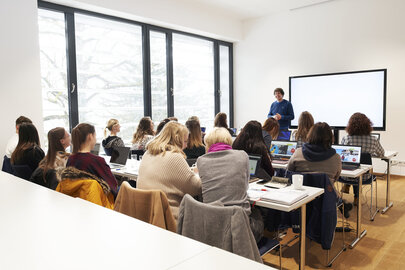
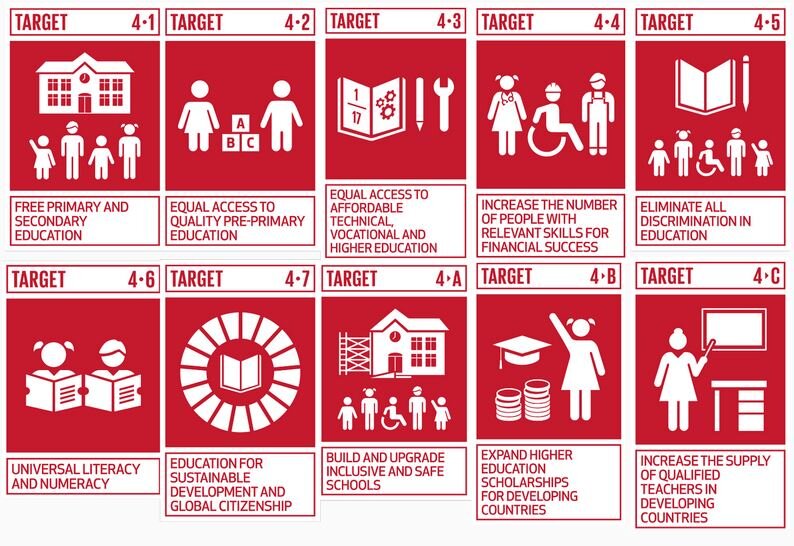
The aim of SDG 4 Quality Education is to ensure inclusive, equitable, quality education and lifelong learning opportunities for all, removing barriers to access. It emphasizes learning outcomes, relevance to jobs, and universal literacy and numeracy.
Further resources
The website of the United Nations gives more insights into this SDG, its targets and indicators as well as its worlwide progress.
The website of the Global Goals also gives more information on the single targets, but also on possible actions, and further resources.
The global network Teach For All is a follows the purpose of developing collective leadership. The initiative helps children to fulfill their personal potential. The learning network develops knowledge and insights from the classrooms and communties world-wide.
Connection to tourism
Tourism can drive healthier choices for visitors and residents through wellness tourism, safer food standards, and accessible healthcare services in destinations. It supports public health through clean environments, sanitation, and emergency preparedness in tourism hubs. Travel demand can fund health infrastructure and preventive programs in communities. Ensuring inclusive access to health services for workers and visitors strengthens overall well-being.
Best practices
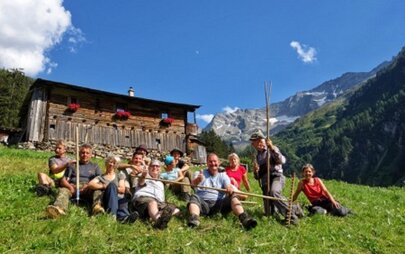
The School of the Alp (Schule der Alm) in the Tyrolean Valsertal fosters quality education by offering hands-on basic courses on practical skills in alpine farming, such as scythe mowing, fence building, hay harvesting, and landscape maintenance on Helga's Alm. The immersive 5-day programs combine experiential learning with expert-led sessions from nature conservationists, beekeepers, herbalists, and butterfly experts, providing inclusive, lifelong education accessible to adults aged 16+ from diverse backgrounds while preserving traditional knowledge. Through volunteer-driven contributions to biodiversity and cultural landscape protection, the project builds community knowledge transfer and certifies participants with course diplomas, promoting equitable access to transformative environmental education.
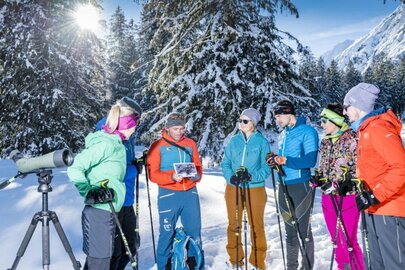
The four Tyrolean Nature Parks Karwendel, Kaunergrat, Ötztal, Zillertaler Alpen support quality education by acting as regional learning hubs for environmental education, sustainability and lifelong learning, closely linked to nature, schools and local communities. They provide structured environmental education programmes for children and youth, including guided excursions, nature park schools, curriculum-aligned workshops and hands-on learning in alpine ecosystems, helping learners develop ecological literacy and systems thinking. For adults and visitors, the parks offer lifelong learning opportunities through ranger programmes, exhibitions, themed trails, citizen-science projects and guided tours that translate scientific knowledge into accessible learning experiences. In addition, they support teacher training, volunteer education and local capacity-building, strengthening regional knowledge institutions and ensuring inclusive access to education about biodiversity, climate change and sustainable land use.
Since 2012, this continuing education initiative of the Host Academy Tyrol led by the Federation of Tyrolean Tourism Associationsthe offers tailor-made training programmes for small and medium-sized accommodation providers, private rentals, guesthouses, holiday apartments, inns and hotels. Every year, numerous participants take advantage of the diverse formats like specialized seminars, workshops, and E-Learning programsoffered directly at their tourism destination or as online webinars from home. These accessible, state-funded trainings—covering topics like revenue optimization, quality standards, and customer service—enable lifelong learning and career advancement for Tyrol's tourism workforce, with certifications and bonus systems that enhance employability and business resilience. For guests, the academy indirectly supports quality education by raising host professionalism, ensuring visitors receive informed guidance on regional culture, eco-friendly behaviors, and authentic experiences that promote environmental awareness and cultural understanding during their stays.