
The aim of SDG 3
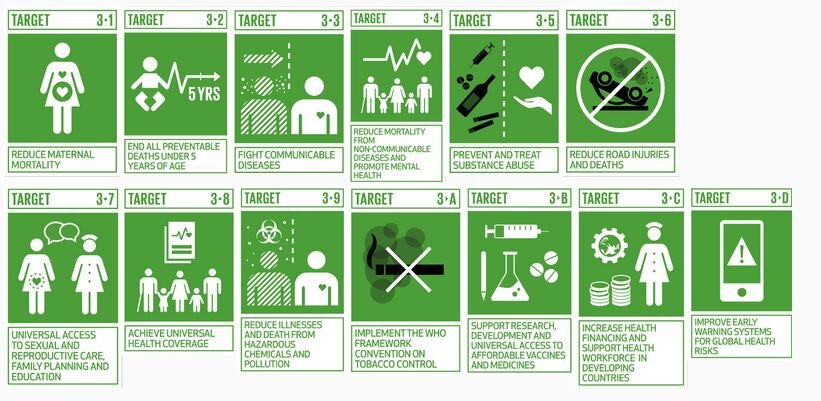
The aim of SDG 3 Good Health and Well-Being is to ensure healthy lives and promote well-being for all ages, while strengthening health systems and universal coverage. This includes disease prevention, mental health, and access to quality healthcare regardless of income or location.
Further resources
The website of the United Nations gives more insights into this SDG, its targets and indicators as well as its worlwide progress.
The website of the Global Goals also gives more information on the single targets, but also on possible actions, and further resources.
Connection to tourism
Tourism can drive healthier choices for visitors and residents through wellness tourism, safer food standards, and accessible healthcare services in destinations. It supports public health through clean environments, sanitation, and emergency preparedness in tourism hubs. Travel demand can fund health infrastructure and preventive programs in communities. Ensuring inclusive access to health services for workers and visitors strengthens overall well-being.
Best practices
The offline suites at Hotel Wasnerin providing a radiation-free environment without WiFi, phones, TVs, or radios, encouraging guests to embrace digital detox for mental recovery and stress reduction. By eliminating digital distractions and incorporating natural elements like solid wood flooring, premium sleep systems, and Dachstein mountain views, the suites create ideal conditions for restorative sleep and inner calm, enhancing psychological health and well-being. Complemented by the hotel's extensive SPA offerings (saunas, pools, massages), these suites form a holistic concept for preventive health promotion and active wellness in an alpine setting.

iDEALTOURS fosters both physical and mental health for staff through its certified workplace health promotion program, offering free psychotherapy coaching for resilience building, stress management techniques, flexible work models like home office and glide time, and participation in familiarization trips to ensure mental well-being and work-life balance. For customers, the company's emphasis on psychologically strong, satisfied employees translates into authentic travel consulting that prioritizes restorative holidays, positioning vacations as essential for recharging energy and returning with fresh ideas, thereby enhancing guest health and satisfaction. This dual approach creates a positive cycle where healthy staff deliver superior service quality, while the travel experiences they curate promote customer recovery and long-term well-being.

Re:GenTravel in Salzburg supports customers by developing target group-specific tourism offers that promote health through regenerative experiences, such as AI-supported regeneration coaching and thematically focused activities harmonizing tourism with personal well-being and sustainability. For staff, the project fosters health through transdisciplinary collaboration involving destination management and digital tools that encourage sustainable practices and local participation, reducing burnout risks and enhancing work satisfaction in tourism roles. This dual focus creates a holistic ecosystem where healthy employees deliver high-quality, health-promoting travel services, benefiting both community health resources and guest recovery.