
The aim of SDG 2
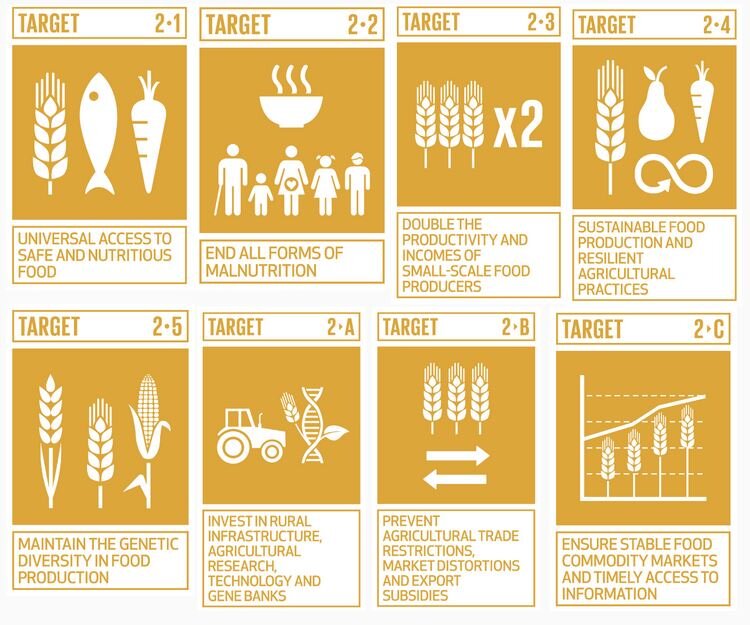
The aim of SDG 2 Zero Hunger is to end hunger, achieve food security and improved nutrition, and promote sustainable agriculture for all. It requires resilient food systems, equitable access to nutritious food, and support for smallholder farmers.
Further resources
The website of the United Nations gives more insights into this SDG, its targets and indicators as well as its worlwide progress.
The website of the Global Goals also gives more information on the single targets, but also on possible actions, and further resources.
The World Food Porgramme explains what hunger is, provides statistics on the topic, and analyzes the causes for world-wide hunger.
Connection to tourism
Tourism-linked food systems can boost local harvests and agrifood value chains through farm-to-table experiences, local sourcing, and farm tourism. This supports smallholders and rural livelihoods while delivering fresh, nutritious options to visitors. Investments in local agriculture linked to hospitality can improve food security in communities. Enabling inclusive market access and resilient supply chains is key.
Best practices
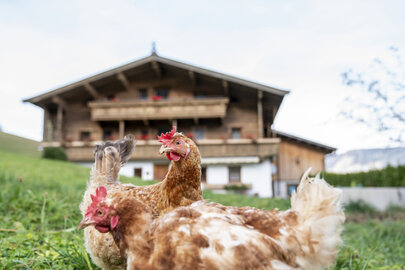
Farmholidays Austria and Farmholidays Tyrol (Urlaub am Bauernhof) supports SDG 2 by enabling small family farms to diversify their income through agritourism, which helps secure livelihoods and keeps local food production viable in rural areas. Through quality standards and guidelines that combine accommodation with active farming, the association incentivizes sustainable agricultural practices and the preservation of regional crop and livestock diversity. By marketing authentic, farm-based experiences and local products, it strengthens short food value chains and raises guest awareness for sustainable, regional nutrition aligned with the targets of Zero Hunger.
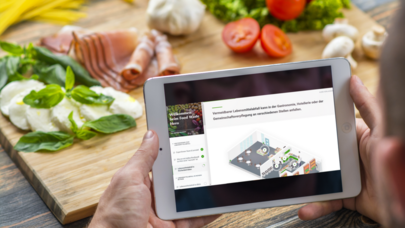
The e-learning program Food Waste Hero by BFI trains staff in gastronomy and tourism businesses to systematically identify, measure, and reduce avoidable food waste in day-to-day kitchen operations. Through interactive modules and practical tips provided by industry professionals, participants learn how to plan purchasing, storage, and menu design more efficiently so that fewer edible foods are discarded and resources along the food value chain are used more responsibly. By empowering employees as “food waste heroes”, the program helps to stabilize food availability, lower pressure on agricultural production, and contribute to more sustainable and resilient food systems in line with the Zero Hunger goal.
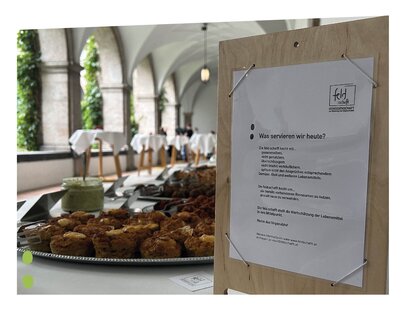
feld:schafft rescues surplus food and unused resources, processing them into meals and products, and thereby actively reducing food waste along the value chain. Through its educational programs such as workshops and the Weltacker Innsbruck, the cooperative increases awareness of global land use, fair distribution, and the value of food among children, youth, and adults. As a verified social enterprise and partner in sustainable event formats, feld:schafft promotes more responsible, resource-efficient consumption patterns that contribute to more sustainable and just food systems. The catering of feld:schafft provides creative, mostly vegetarian dishes made from surplus and “out-of-norm” ingredients, offering climate-friendly catering for events of up to around 150 people while actively reducing food waste and packaging.