
The aim of SDG 16
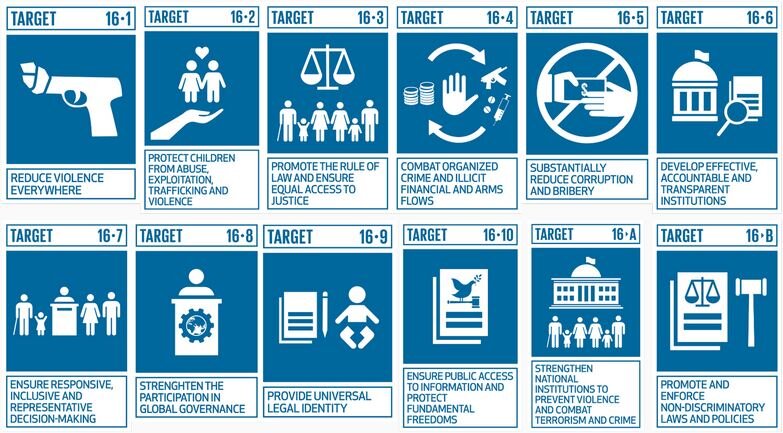
The aim of SDG 16 Peace, Justice and Strong Institutions is to promote peaceful, inclusive societies and access to justice for all, while reducing corruption. It emphasizes rule of law, transparent institutions, and equal civic participation.
Further resources
The website of the United Nations gives more insights into this SDG, its targets and indicators as well as its worlwide progress.
The website of the Global Goals also gives more information on the single targets, but also on possible actions, and further resources.
The UNESCO Global Peace Index is a data-driven ranking of 163 countries and territories according to their level of peacefulness, making it a leading global measure of peace. It explains that the Index analyzes trends in peace, the economic impact of violence, and factors that help build more peaceful societies worldwide.
Connection to tourism
Ethical governance, transparency, and anti-corruption measures shape sustainable tourism development. Inclusive decision-making and rights protections strengthen community trust. Clear regulatory frameworks and accountability improve destination quality and safety. Collaboration among public sectors, communities, and the private sector is essential.
Best practices
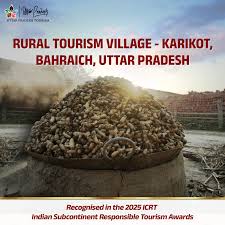
The remote rural village of Kari Kot in Uttar Pradesh, India, has developed homestay, culture-rich walks, local cuisine experience and women-led turmeric value chains to help households gain incomes and foster social cohesion.By developing homestays, cultural walks, local cuisine experiences and handicraft value chains, the village has created shared economic opportunities for women, youth and diverse community groups (Tharu, Hindu, Sikh, Muslim), strengthening social cohesion and collective decision-making in tourism development. This collaborative, participatory approach has earned Karikot the Indian Subcontinental Responsible Tourism Award 2025 in the category of Peace, Understanding and Inclusivity, highlighting its success in using tourism to build harmony, empowerment and community voice. The model shows how tourism can support inclusive governance, local agency and community-centred benefits—key aspects of SDG 16.
MEJDI Tours offers a socially conscious travel model that fosters understanding, peacebuilding and inclusive dialogue across cultures and communities. The company is known for its “Dual Narrative Tours,” where destinations—especially in places with historical conflict like Israel, Palestine and Jordan—are explored with two local guides presenting diverse perspectives, helping travelers gain a more balanced, empathetic and informed view of complex histories and societies rather than a single narrative. By partnering with local communities, ensuring that local voices, histories and cultural contexts shape the travel experience, and building relationships with civic institutions, MEJDI Tours strengthens cross-cultural understanding, community agency and respectful engagement, core elements of peaceful, inclusive and just societies. In doing so, it helps tourism become a force for peace, mutual respect and institutional trust, supporting SDG 16’s aim to promote inclusive societies and peaceful interactions through tourism experiences that educate and connect people across divides.

Township & Village in Stellenbosch is a community-based social enterprise that co-creates and markets tourism experiences delivered by local residents and entrepreneurs, allowing them to share their own cultural narratives, history and heritage while directly benefitting from tourism revenues — promoting ownership, economic justice and social inclusion in communities historically marginalised under apartheid. It supports peace, justice and strong institutions by promoting inclusive, community-led tourism that gives historically marginalised residents a direct voice and fair economic participation in the tourism sector. As a social enterprise, it enables local entrepreneurs to co-create and deliver tourism experiences, ensuring ownership, dignity and transparent benefit-sharing. Through partnerships with Visit Stellenbosch, local government, NGOs and educational institutions, the initiative fosters transparent, collaborative decision-making and equitable market access, helping ensure that tourism growth contributes to empowerment and reduced inequalities rather than excluding local voices.