The aim of SDG 15
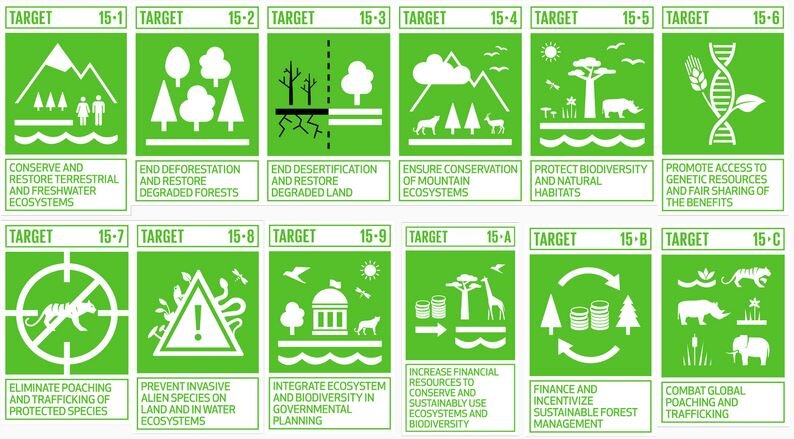
The aim of SDG 15 Life on Land is to protect, restore, and promote sustainable use of terrestrial ecosystems, halting biodiversity loss. It covers habitat conservation, reforestation, and sustainable land management.
Further resources
The website of the United Nations gives more insights into this SDG, its targets and indicators as well as its worlwide progress.
The website of the Global Goals also gives more information on the single targets, but also on possible actions, and further resources.
The World Wildlife Fund is a global conservation organization focused on protecting biodiversity and natural habitats, reducing pollution, and promoting sustainable use of resources while supporting people and communities. It works across six key areas—forests, oceans, freshwater, wildlife, food, and climate—to build a future where people live in harmony with nature.
Connection to tourism
Nature-based and ecotourism initiatives protect forests, habitats, and biodiversity while supporting local economies. Sustainable land use, restoration projects, and responsible trekking minimize habitat loss. Community stewardship and protected area management benefit both ecosystems and livelihoods. Partnerships align conservation finance with tourism growth.
Best practices
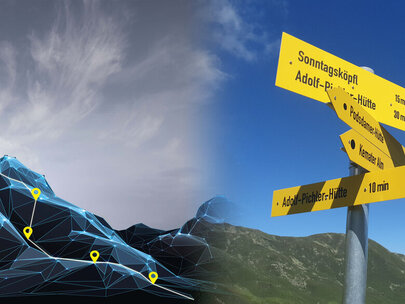
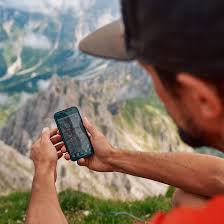
In the Seefeld region, digital visitor management supports Life on Land by using anonymised mobile data and forecasting models to understand and guide visitor flows more intelligently, helping to prevent overcrowding in sensitive natural areas and reduce pressure on biodiversity‑rich landscapes. By defining key points of interest and predicting visitor volumes, the system enables more balanced use of trails and natural sites, which protects habitats and enhances nature conservation while improving quality of experience. This data‑driven approach will be integrated into guest touchpoints, enabling tourists to make informed choices that spread tourism pressure across space and time and thus support long‑term ecosystem health. Ultimately, the initiative helps balance nature protection, visitor experience and local economic benefits in a way that safeguards terrestrial ecosystems.
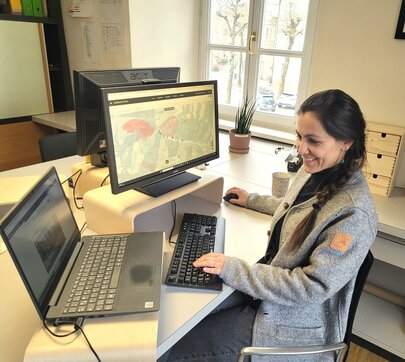
In the Naturpark Karwendel, the digital ranger initiative and related digital tools enhance sustainable visitor management and nature protection in one of Austria’s most important biodiversity areas. A dedicated “digital ranger” actively monitors outdoor and tourism platforms (e.g., social media and tour sites) to identify and address content that could lead visitors into sensitive habitats or unofficial routes, helping to prevent disturbance of flora and fauna before people even set out on trails. This work is complemented by the development of a Ranger App, which streamlines field tasks such as visitor guidance, biodiversity monitoring and documentation, allowing staff to respond more effectively to emerging conservation issues in real time. By combining digital outreach with improved on‑the‑ground coordination, the project reduces pressure on vulnerable ecosystems, supports responsible nature use and strengthens nature conservation in the face of increasing recreational demand.
Bergwelt Tirol – Miteinander erleben is a long‑running initiative in Tyrol that supports Life on Land by fostering sustainable and conflict‑sensitive use of natural landscapes. It brings together tourism stakeholders, local authorities, outdoor user groups and nature managers to balance recreational use with nature conservation, helping to reduce user‑conflicts and protect habitats from overuse by activities like hiking, mountain biking and ski touring. The programme promotes responsible behaviour in the alpine environment and develops joint approaches to ensure that visitors enjoy the mountains without degrading biodiversity or sensitive ecosystems. By coordinating users and guiding sustainable nature use, it strengthens the coexistence of tourism and healthy terrestrial ecosystems.