The aim of SDG 14
The aim of SDG 14 Life Below Water is to conserve and sustainably use oceans, seas, and marine resources, reducing pollution and protecting coastal ecosystems. It includes protecting habitats, reducing plastic waste, and sustainable fisheries.
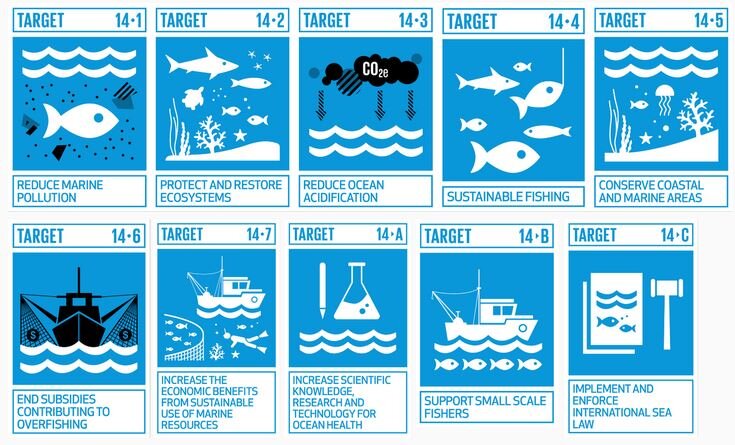
Further resources
The website of the United Nations gives more insights into this SDG, its targets and indicators as well as its worlwide progress.
The website of the Global Goals also gives more information on the single targets, but also on possible actions, and further resources.
The Ocean Cleanup is a non-profit organization that develops and scales technologies to remove existing plastic pollution from oceans and rivers and to stop new plastic from entering the sea, aiming to eliminate 90% of floating ocean plastic by 2040. It operates large cleanup systems in ocean garbage patches, deploys Interceptor devices in highly polluting rivers, and advocates for stronger global regulations on plastic to tackle the problem at its source.
Connection to tourism
Coastal and marine tourism emphasizes responsible marine management, pollution reduction, and conservation-based visitor experiences. Sustainable fishing and watershed protection benefit both ecosystems and tourism livelihoods. Visitor education fosters ocean stewardship and behavior change. Policy and enforcement support biodiversity and resilience. As Austria has no access to the sea, this SDG is not a national priority. However, Austrians making holidays abroad often take sun & beach holidays at the seaside. Best practices thus come from other coutries.
Best practices
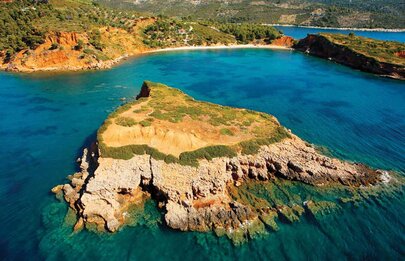
Greece's Alonissos Marine Park in the Sporades enforces regulated snorkeling tours with carrying capacities, plastic-free beach protocols and partnerships with fishing cooperatives for sustainable seafood, enhancing ocean health while generating revenue for conservation. International and local volunteer divers — including tourists — participated in EU-funded seabed cleanup operations to remove debris and protect marine biodiversity in one of Europe’s largest marine parks. These grassroots, tourism-linked actions involve visitors and locals alike in direct environmental stewardship and at the same time support protected areas popular with tourism without degrading ecosystems.
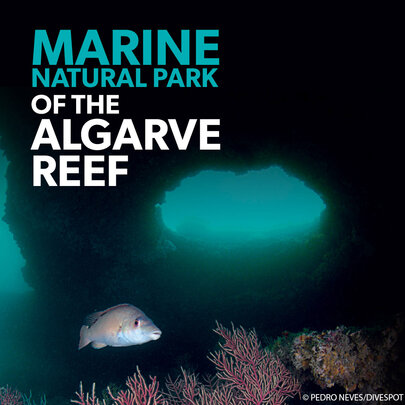
The Algarve region demonstrates strong best practices for supporting Life Below Water by actively linking marine conservation with tourism. Key initiatives include the Algarve Marine Natural Park (Recife do Algarve / Pedra do Valado), which protects biodiverse reef habitats through science-based management, and the Algarve Marine Observatory, which connects researchers, tourism businesses and policymakers to promote sustainable coastal and marine tourism. These efforts are complemented by Blue Flag–certified beaches and marinas, community beach clean-ups, and visitor education projects that reduce marine pollution and raise ocean awareness. Together, these initiatives show how tourism can both depend on and actively contribute to healthy marine ecosystems.
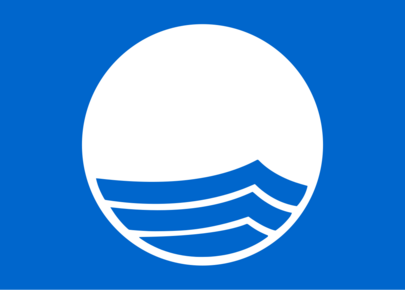
Europe's flagship eco-certification Blue Flag is an internationally recognized environmental eco-label for beaches, marinas and tourism boats. The ecolabel is awarbed when critera on water quality, environmental education, waste management and safety is met. Many beaches and marinas in the Mediterranean ensure those high environmental standards. Also some tourism boats and nature watching operators now are awarded the Blug Flag label.