
The aim of SDG 12
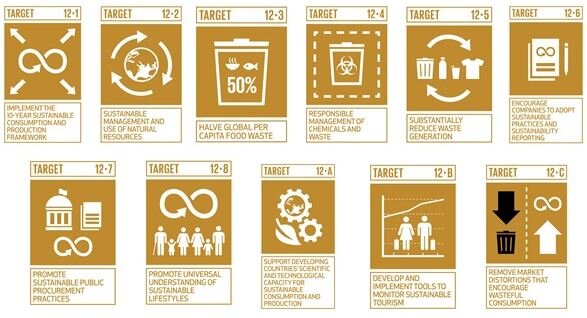
The aim of SDG 12 Responsible Consumption and Production is to ensure sustainable consumption and production patterns, reducing waste and advancing circular economy practices. It involves resource efficiency, sustainable sourcing, and consumer awareness.
Connection to tourism
The industry can adopt sustainable sourcing, waste reduction, and circular economy practices across hotels, attractions, and supply chains. Transparent reporting and responsible procurement minimize environmental footprints. Consumer education and responsible marketing influence visitor choices. Efficient resource use and waste management improve destination sustainability.
Best practices
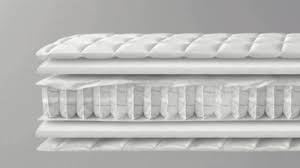
MATR offers a circular system for mattrasses for hotels and privat people. Since 2022 the company therefore reduces mattress waste across Europe without compromasing on quality and comfort. MATR uses high-quality, durable materials which are disigned for circulairy. Once the mattresses are out of use, they can easily returned free of chared and taken back for recycling. thus advances SDG 12 by promoting responsible consumption and production practices along the tourism value chain through resource-efficient operations, that minimize environmental footprints in destinations.
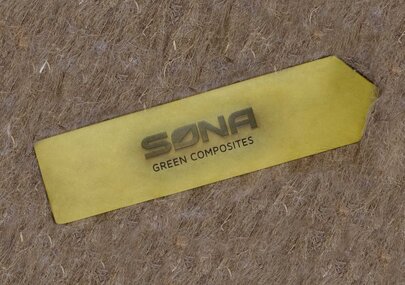
SONA Green’s transformative signage system supports SDG 12 by replacing conventional, resource-intensive materials with bio-based composites that significantly reduce the environmental footprint of wayfinding and branding elements. By designing durable, modular products that can be repaired, reconfigured and recycled, the system helps to extend product life cycles and keep materials in use, in line with circular economy principles. In tourism and leisure settings, such visible, sustainability-oriented signage also nudges guests and operators toward more responsible consumption choices, regional lifecycles and ecological infrastructure.It clearly shows how circularity already has to start with the design of products in order to keep material in the cycle rather than producing waste at the end of their lifecycle.
The Circular Hub Tirol serves as a central contact point for companies in Tyrol that want to transition from linear to more circular business models and tap the potential of the circular economy. Through offerings such as Circularity Checks, workshop programmes, initial consulting and regular networking and project-development formats, it supports businesses – including those in the tourism and leisure industry – in keeping resources in the loop, reducing waste and developing circular solutions that foster SDG 12 on responsible consumption and production. By strengthening an ecosystem of collaboration with universities, research institutions and regional organisations, Circular Hub Tirol creates framework conditions that help anchor circular, resource-efficient production and consumption patterns across sectors.