The Aim of SDG 11
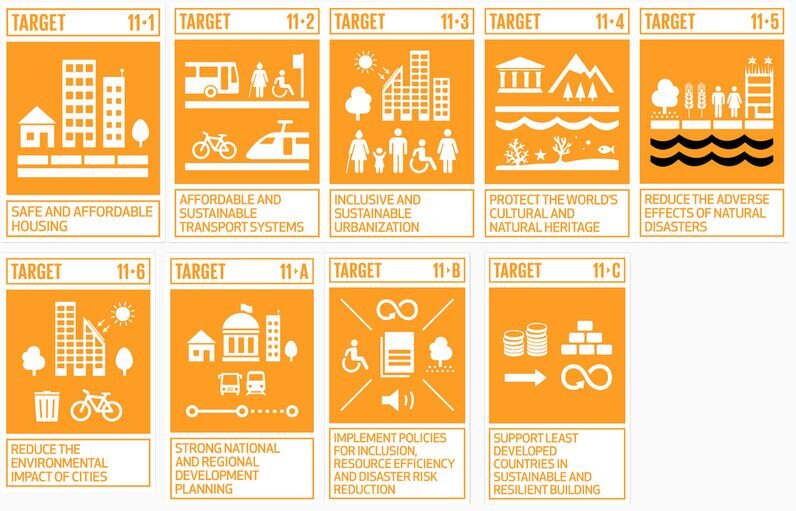
The aim of SDG 11 Sustainable Cities and Communities is to make cities inclusive, safe, resilient, and sustainable, improving housing, transport, and green spaces. It includes sustainable urban planning, low-emission transport, and disaster preparedness.
Connection to tourism
Destination planning should balance visitor needs with resident well-being, including housing, mobility, and public space. Tourism can drive inclusive urban development, green infrastructure, and climate adaptation. Community engagement ensures that growth benefits locals and preserves cultural heritage. Sustainable management reduces negative urban externalities and strengthens resilience.
Best practices
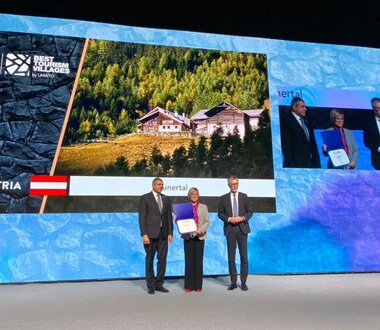
Kaunertal can be considered a sustainable community through its designation as Austria's first Best Tourism Village (2021) and the Austrian Umweltzeichen (2025), implementing compact mobility solutions like free guest buses, car-sharing incentives, and pedestrian-friendly valley infrastructure that minimize urban sprawl in this glacier-protected area. The region collaborates with Kaunergrat Nature Park via the Austrian Eco-Label to enforce low-impact building codes, preserve 220 km² of intact cultural landscape, and integrate tourism with biodiversity—limiting large-scale developments while upgrading resilient alpine huts and event venues for year-round community use. Initiatives like "Raus aus Öl" (beyond fossils) drive neighborhood-scale energy transitions, fostering safe, inclusive live-work-play communities that balance 600 residents with seasonal visitors through heritage preservation and disaster-resilient planning.
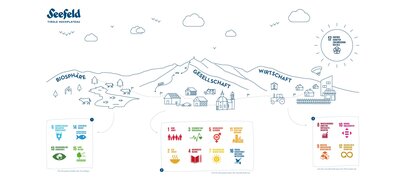
The tourism association Seefeld is one of Austria's first tourism destinations certified with the Austrian Eco-Label (Umweltzeichen) since 2020, implementing compact mobility solutions like extensive bike paths, free guest buses, and pedestrian zones that reduce car traffic while preserving the plateau's cultural landscape. The region advances resilient infrastructure through the "Echt nachhaltig" action plan, featuring energy-efficient public buildings, green space expansion (targeting 30% increase), and disaster-resilient planning in collaboration with Nature Park Karwendel to protect against avalanches and floods. These efforts create inclusive, safe communities by integrating tourism with local needs—offering year-round event venues, upgraded alpine huts, and heritage preservation that balances 1,000 residents with 800,000 annual visitors.
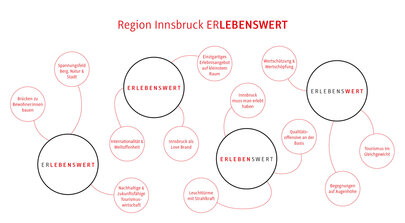
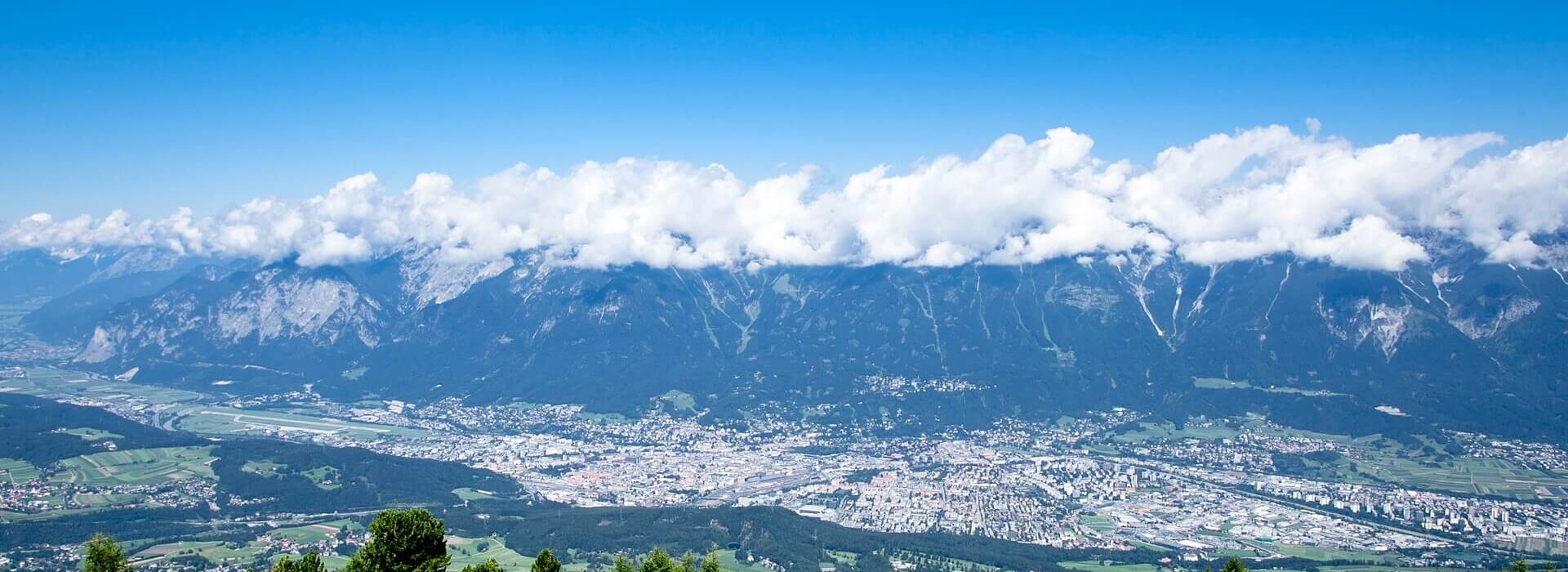
The Innsbruck region is a dream destination for visitors from all over the world and home to around a third of the Tyrolean population in more than 40 communities. As a destination management organisation, the tourism asociation wanted to create a participatory approach for a holistic strategy for the benefit of everyone who lives, works and holidays there.
Innsbruck Tourism's participatory strategy development started in 2023 with an analysis phase including interviews and inclusive forums with residents, tourism stakeholders, and beyond. The results were summarized and presented with 9 concrete fields of action by 2024 with the necessary budget. To monitor the strategy implementation, a dashboard was developed with important KPIs.