
The aim of SDG 10
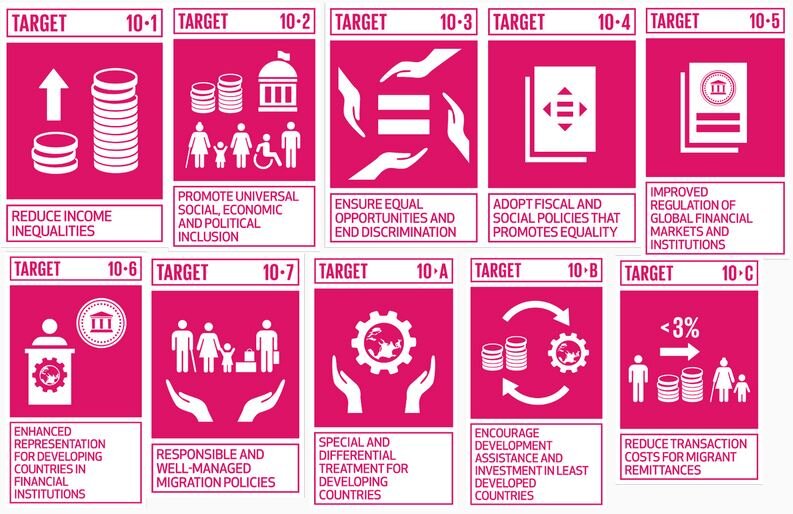
The aim of SDG 10 Reduced Inequalities is to reduce inequalities within and among countries, promoting social, economic, and political inclusion. It targets marginalized groups and equitable access to opportunities and services.
Further resources
The website of the United Nations gives more insights into this SDG, its targets and indicators as well as its worlwide progress.
The website of the Global Goals also gives more information on the single targets, but also on possible actions, and further resources.
UNESCO claims for building a fairer world through the focus on accessibility and inclusion. This is a crucial issue, as 1 in 6 people world-wide live with disabilities and many of those are not visible.
The World Bank provides data from its SDG Atlas 2017 on reduced inequality within and among countries.
Connection to tourism
Tourism accessibility and inclusive pricing models help widen access to experiences for lower-income groups and disabled travelers. Targeted outreach, barriers removal, and inclusive marketing broaden participation. Progressive policies and fair taxation can ensure benefits reach disadvantaged communities. Poverty-reducing impacts depend on equitable distribution of tourism revenues.
Best practices
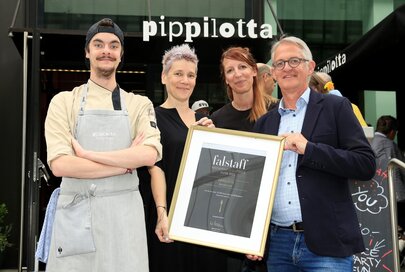
Pippilotta's gastronomy concept is an inclusive social enterprise operated by Lebenshilfe Tirol, employing 30 staff members—including people with disabilities alongside professional chefs—in a 5-year national qualification framework that integrates them into the competitive labor market through kitchen, service, and catering roles. By sourcing exclusively from regional small producers (e.g., Leutasch veal, local fruits/vegetables) and rejecting flavor enhancers, it creates equitable supply chains that uplift disadvantaged farmers while delivering award-winning cuisine (Gault&Millau toque, Falstaff fork). This "kunterbunt" (colorful) model eliminates employment barriers regardless of background—"with wheelchair or skateboard, old or young, rich or poor"—fostering social cohesion in Innsbruck's tourism scene through accessible business lunches, events, and tolerant hospitality that welcomes diversity.
Museums in Innsbruck try to expand their inclusive offers for peole with different kinds of disabilities. Many museums like Schloss Ambras, or most of the Tyrolean State Museums support wheelchair users through ramps, elevators, stairlifts (e.g., Spanish Hall at Ambras), accessible restrooms with Eurokey access, and reduced admission rates, ensuring ground-level entries and most exhibition spaces are navigable.
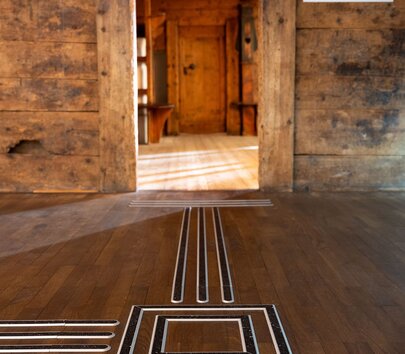
For people with seeing impairments, Audioversum Science Center offers tactile, hands-on sound exhibits, while Ambras Castle provides audio guides and listening stations; some museums feature Braille elements or tactile models upon request, though comprehensive haptic tours remain limited. Hearing-impaired visitors benefit from sign language tours (available on request at Ambras and City Museum), visual signaling systems, and multimedia apps with subtitles; the Culture Pass and Innsbruck Card further enable equitable access across institutions.
The Alpine Zoo also offers autism-friendly zoo visits opening their doors earlier especiall for people on the autism spectrum and their families. Some offers are also available at the Tyrolean State Museums for guided tours in easy language or people with dementia. Also other Tyrolean museums offer accessible services for everyone.
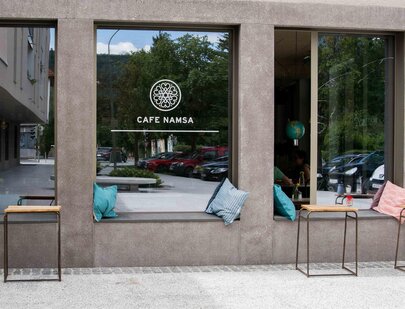
Café Namsa is a social enterprise that provides refugees and migrants with their first entry-level jobs in Innsbruck's service industry, offering professional kitchen, barista, and hospitality training to facilitate long-term labor market integration. Located in a welcoming, family-friendly space with play areas and diverse cuisine (Austrian-Persian fusion), it creates an inclusive environment that challenges employment barriers based on migration status, language skills, or background while sourcing from local producers. Through this model, Café Namsa distributes tourism-related economic opportunities equitably, earning praise as a community hub that combines excellent brunch/coffee with meaningful social impact for disadvantaged groups.