
The aim of SDG 1
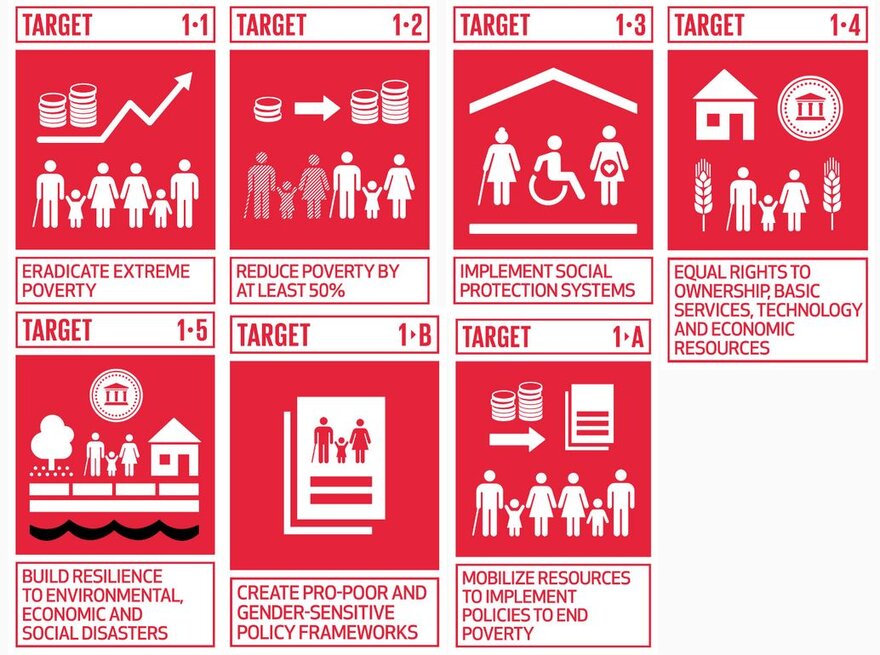
The aim of SDG 1 No Poverty is to end poverty in all its forms worldwide by 2030. This should be achieved by eradicating extreme poverty, halving poverty in all its dimensions, implementing social protection systemsn, ensuring access to basic services and resources, and building resilience for vulnerable populations against shocks and disasters.
Further resources
The website of the United Nations gives more insights into this SDG, its targets and indicators as well as its worlwide progress.
The website of the Global Goals also gives more information on the single targets, but also on possible actions, and further resources.
The World Povery Clock is a data tool which provides up-to-date estimates of how many people live in extreme poverty in almost every country, with projections out to 2030. It traks whether the world and individual countries are on or off track to meet the goal of ending extreme poverty.
The Internet Poverty Index shows which countries have the highest number of people or the largest share of their population living in internet poverty. The term stand for people being unable to afford or access essential digital services, blocking opportunities in education, work, and health, with over a billion people affected globally, defined by metrics like spending over 10% of income on basic mobile data or lacking skills/devices, creating a cycle of exclusion despite connectivity.
Connection to tourism
Through income generation, economic growth and the creation of local entrepreneurship, tourism helps to fight poverty. This is especially important for marginalized and disadvantages groups such as young people, women, but also elderly people.
Tourism can advance SDG 1 No Poverty by creating decent work, supporting inclusive growth, and leveraging poverty-reduction opportunities through tourism activities. It promotes direct employment in hotels, guides, transport, and attractions, as well as micro- and community-based ventures that enable self-employment. Local sourcing and tourism-generated revenue can support small suppliers and fund social programs like education and health, helping reduce poverty and improve infrastructure. To maximize impact, focus on inclusive job creation for vulnerable groups like youth, women and elderly people, diversify destinations to lower poverty risk, and ensure revenue is reinvested in social outcomes through participatory planning and fair procurement.
Best practices
The generation café Vollpension in Vienna addresses SDG 1 by creating paid jobs for seniors affected by old-age poverty and social isolation. It operates as a social business, employing many seniors to supplement their low pensions while fostering intergenerational interaction as a way to combat loneliness and exclusion. The café offers meaningful work, daily social contact, and income, especially for women with lower pensions. Besides the café, Vollpension runs baking courses for seniors, expanding income opportunities and skills, and advocates for awareness about old-age poverty through its social enterprise model.
This concise focus on social impact combined with economic sustainability exemplifies how Vollpension contributes to reducing poverty in multiple dimensions.

The Danish social impact company Too Good To Go addresses food waste and promots economic accessibility to food. By connecting consumers with food businesses that have surplus edible food, food items are sold at a reduced price through the app. This approach helps reduce food waste, while providing affordable meals to economically vulnerable groups, thereby combating food insecurity and poverty. The app has saved millions of meals globally, contributing directly to reducing poverty-related hunger and supporting sustainable consumption. Too Good To Go exemplifies how a technology-driven marketplace can integrate social, economic, and environmental goals, making sustainable food consumption affordable and inclusive, end poverty and ensure equal access to resources.

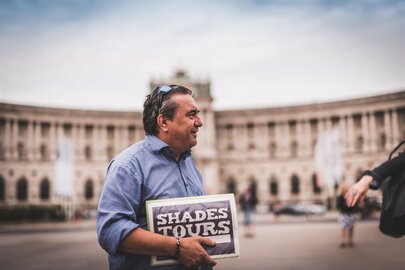
Shade Tours in Vienna raise awareness about homelessness and poverty through guided walking tours led by former homeless people. The tours educate participants on the challenges faced by marginalized groups, fostering empathy and understanding while giving a voice to people experiencing poverty. By shedding light on social exclusion and living conditions in Vienna, Shade Tours contribute to social inclusion and poverty awareness, which are important steps toward poverty reduction. Additionally, direct economic opportunities are generated through socially conscious tourism. The tours also promote dialogue and community engagement, helping to break down barriers and reduce stigma associated with poverty and homelessness.