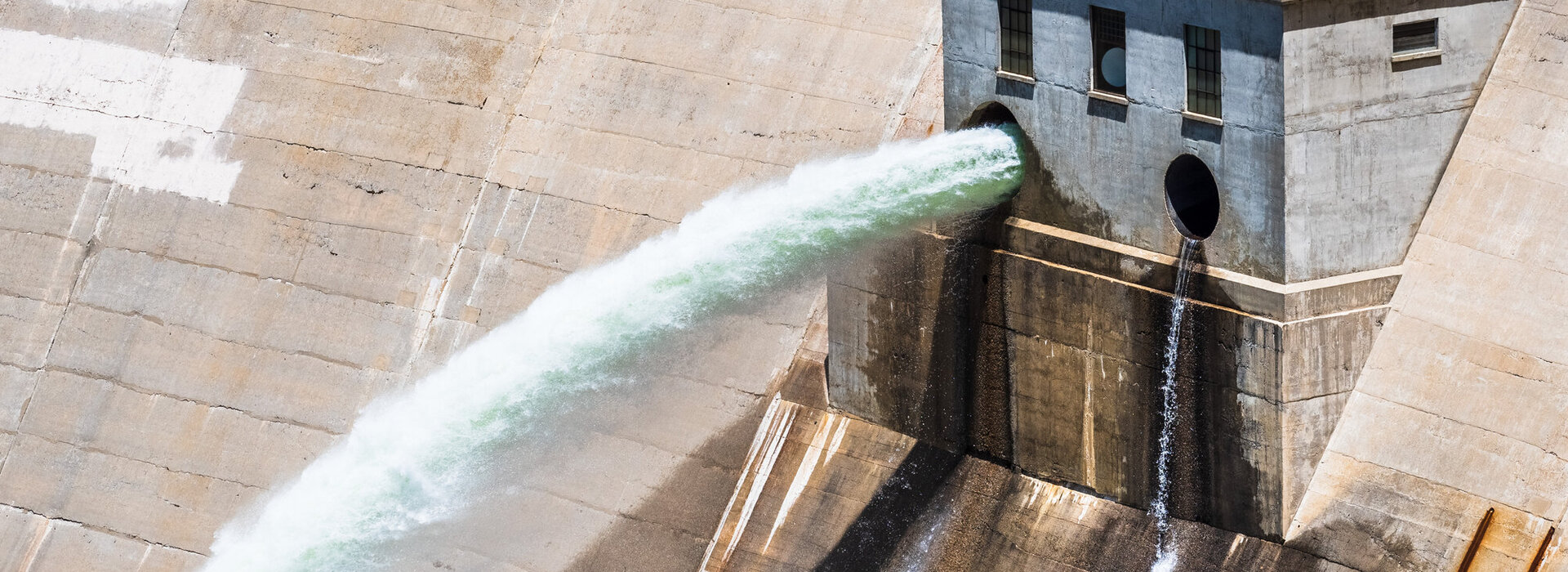
Water is a fundamental resource for tourism, essential for drinking, sanitation, wellness facilities, and technical snow production. Its sustainable use is therefore a critical aspect of resilient destination management. High water consumption during peak seasons can strain local supplies and infrastructure, while insufficient wastewater treatment risks polluting rivers, lakes, and groundwater, ultimately affecting ecosystems, local quality of life, and the destination’s attractiveness. Effective water management thus plays a key role in ensuring the long-term viability of tourism and maintaining environmental balance.
In Tyrol, the geographical, meteorological, and geological conditions combine to create abundant, high-quality freshwater resources, making the region one of Europe’s true “water reservoirs.” Unlike many other regions, Tyrol currently does not face acute challenges in water supply. Nevertheless, the province recognizes that a secure and resilient water supply and the safeguarding of water quality are essential foundations for all areas of life, including tourism. As climate change progresses, the region anticipates increasing pressure on water systems due to rising demand, heatwaves, and more frequent extreme weather events such as heavy rainfall, floods, or landslides, which can indirectly affect drinking water quality and infrastructure.
Securing strategic water resources and ensuring responsible wastewater management are therefore political priorities in Tyrol. The tourism industry, in turn, has become increasingly aware of its responsibility to conserve this resource and is implementing measures to ensure the sustainable use of water within tourism operations and infrastructure.
Key Performance Indicators
TYSTO monitors water-related sustainability in tourism through qualitative and quantitative indicators, given that the direct measurement of the water footprint per guest is currently not methodologically feasible. These indicators help capture how Tyrol’s destinations manage water use, wastewater treatment, and the long-term protection of aquatic ecosystems within the framework of sustainable tourism development.
| Key Performance Indicator | Data Source |
|---|---|
| Inclusion of (waste) water management in regional sustainability strategies | Federation of Tyrolean Tourism Associations / 34 Tyrolean Tourism Associations |
| Initiatives to motivate businesses to measure and monitor water consumption | |
| Visitor information on water risk and minimising water use | |
| Measures to reduce water consumption or maintain/improve water quality | |
| Programme of water quality monitoring | Federal Ministry of Labour, Social Affairs, Health, Care and Consumer Protection, Land Tirol |
| Bathing water quality of tyrolean waters | Land Tirol |
| Natural springs serving as sources for water supply | Land Tirol / Atlas of Tyrolean Drinking Water |
| Water protection areas | |
| Program to regularly assess water risk | Federal Ministry of Agriculture and Forestry, Climate and Environmental Protection, Regions and Water Management |
| Water demand in hotels (m³ per overnight stay) | OeHT Balance Sheet and ESG Evaluation |
Results
Initial results will be published in 2026, covering data from the 2025 reporting year. Data collection is currently ongoing.



Sources and further information
- UN Tourism. International Network of Sustainable Tourism Observatories. Mandatory Issue Area: Waste Water (Sewage) Management.
- UN Tourism, International Network of Sustainable Tourism Observatories. Mandatory Issue Area: Water Management.
- BOKU University - Department of Water, Atmosphere and Environment. Water Management in Tourism.
- Energy Agency Tyrol. Tyrol 2050: Energy Autonomous. Water Castle Tyrol. (Only available in German)
- Global Sustainable Tourism Council. GSTC Destination Standard.