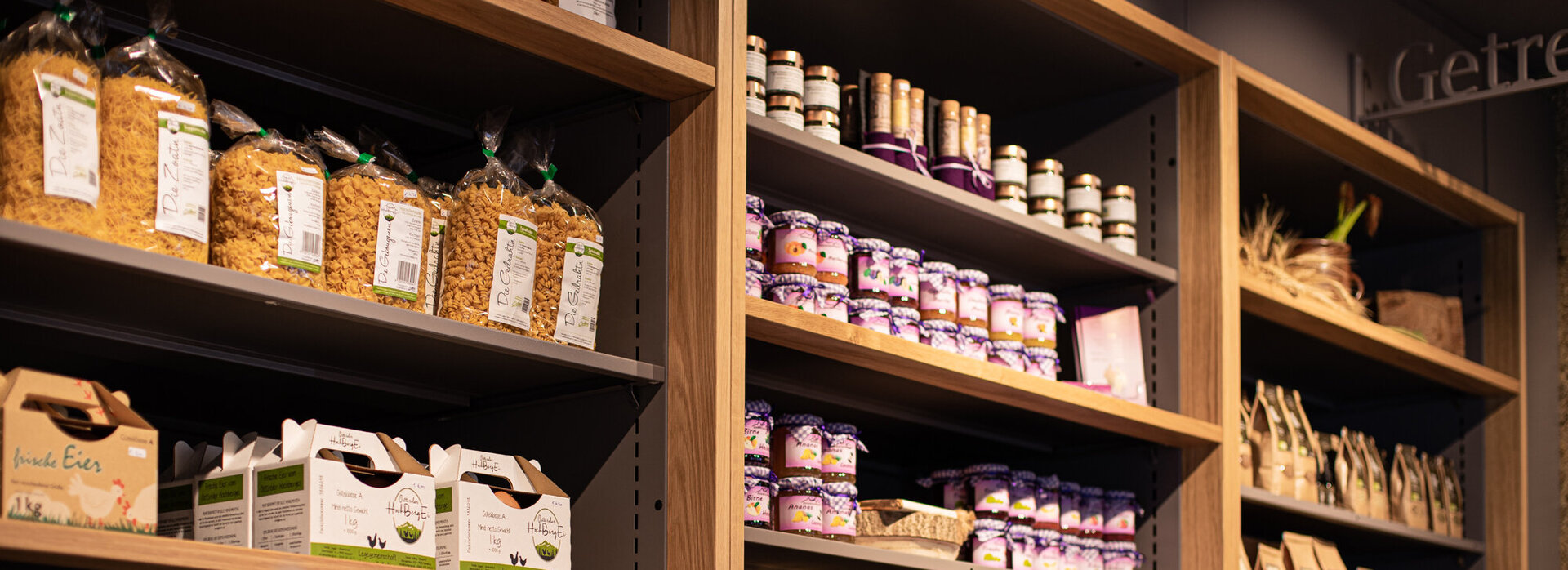
Regional products, particularly in the food and gastronomy sector, are a key aspect of sustainable tourism in Tyrol. Guests increasingly associate high-quality tourism experiences with the use of local ingredients, and studies show that they expect regional products to be featured in restaurants and other services. Ensuring regionality is therefore essential not only for the credibility of Tyrol’s alpine tourism offering but also for maintaining the strong connection between tourism and local agriculture.
Strengthening regional economic cycles is a central objective of Tyrol’s tourism strategy, “The Tyrolean Way”, supporting both social and economic sustainability while contributing to ecological goals. By sourcing and promoting local products, tourism businesses help retain value within the region, create employment opportunities, and encourage responsible resource use.
Key Performance Indicators
Although “Regionality” is not a dedicated INSTO key issue area, TYSTO monitors related indicators that provide important insights into several sustainability dimensions. These include local satisfaction, through the positive experience of authentic regional offerings; destination economic benefit, by reinforcing regional supply chains; and climate action, as local sourcing supports environmentally responsible practices and resource efficiency. Through these measures, regionality contributes to the overall sustainability and resilience of Tyrol’s tourism sector.
| Key Performance Indicator | Data Source |
|---|---|
| Certified hospitality businesses (e.g. "Bewusst Tirol," "AMA-QHS," "Bio Austria") | Federation of Tyrolean Tourism Associations / 34 Tyrolean Tourism Associations |
| Promotion of regional product initiatives and voluntary origin labeling (among businesses/guests) | |
| Initiatives to increase regional (Tyrolean/Austrian) product use in hospitality | |
| Initiatives supporting agricultural direct marketing (e.g., farmers’ markets, farm shops) | |
| Share of hospitality suppliers within a maximum radius of 100 km | OeHT Balance Sheet and ESG Evaluation |
Results
Initial results will be published in 2026, covering data from the 2025 reporting year. Data collection is currently ongoing.



Sources and further information
- Global Sustainable Tourism Council. GSTC Destination Standard.
- F.acT - More Foresight through Data. Topic: Agriculture. (Only available in German)
- Tyrolean Regional Government. Alpine Pastoral Farming in Tyrol. (Only available in German)
- Tyrolean Regional Government. The Tyrolean Way - Perspectives for the responsible development of tourism.